
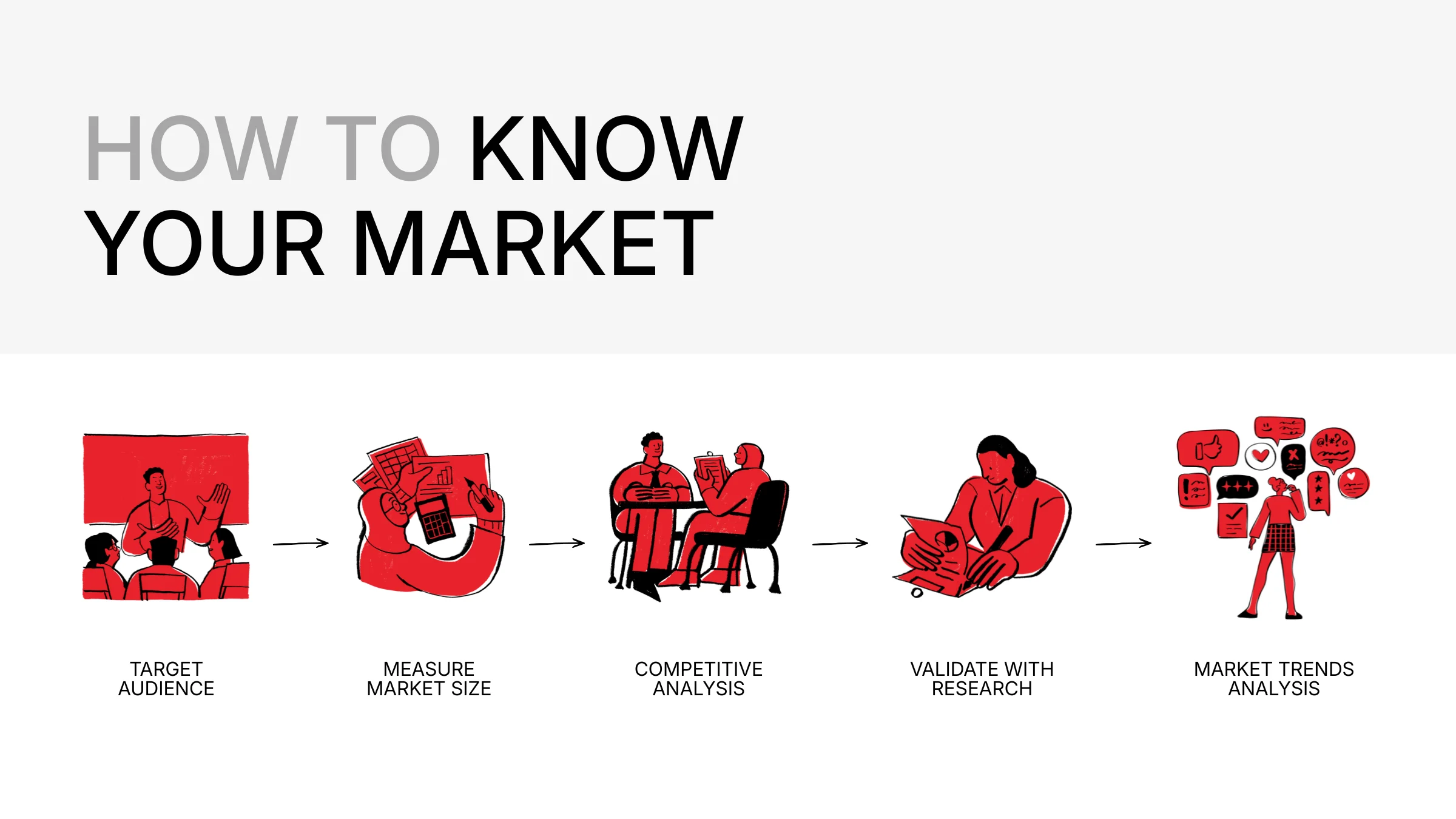
Step One: Define Your Real Customer
Not “everyone who cares about the planet.” Not “students who want change.” Be specific.
· Who are they?
· How old are they?
· Where do they spend time?
· What problem keeps them awake?
· How much are they willing to pay to solve it?
Harvard Business Review reports that companies with clearly defined customer personas outperform competitors by up to 73 percent in conversion rates. When you know exactly who you are building for, your messaging sharpens, your product improves, and your marketing costs drop.
Mission driven founders must go deeper. Ask:
· What values drive my customer’s purchasing decisions?
· Is impact a primary motivator or a bonus?
· Do they choose purpose over price, and if so, how much more will they pay?
Nielsen found that 66 percent of global consumers are willing to pay more for sustainable brands. Among Gen Z, that number is even higher. But willingness does not mean unlimited tolerance. You must test the threshold.
Step Two: Measure Market Size and Growth
If your mission is to solve a social issue, you must understand the economic scale of that issue.
· Total Addressable Market.
· Serviceable Available Market.
· Serviceable Obtainable Market.
For example, if you are building an edtech platform for rural communities, how many students exist in that region? What percentage has internet access? What percentage can afford your pricing model? What are government policies doing in the next five years?
The global social enterprise market is estimated to surpass hundreds of billions of dollars annually, and impact investing has grown to over 1 trillion dollars in assets under management worldwide. That means capital and opportunity exist. But only for solutions grounded in data.
Step Three: Study Competitors Without Fear
Competition validates demand.
If no one else is operating in your space, either you discovered a hidden gem or there is no viable market. Most often, it is the second.
· Map your competitors.
· What do they offer?
· What do they charge?
· How do they position themselves?
· Where are customers dissatisfied?
The EBRD highlights that competitor analysis reveals pricing norms, distribution channels, and customer expectations. For mission driven founders, it also reveals positioning gaps.
Maybe others sell sustainable products, but none measure verified impact.
Maybe others serve students, but none integrate mentorship.
Maybe others talk purpose, but none quantify it.
This is where differentiation becomes strategic, not emotional.
Step Four: Validate Before You Scale
Students and first time founders often want to build first and test later. Flip it.
· Run surveys.
· Host pilot programs.
· Launch beta versions.
· Track feedback obsessively.
Lean Startup research shows that iterative validation significantly increases survival rates. Start small. Measure. Adjust. Then expand.
For mission driven ventures, validation must include both financial viability and impact effectiveness. Are you solving the problem in a measurable way? Are beneficiaries actually benefiting? Are customers returning?
Impact without repeat demand is charity. Demand without impact is business as usual. Your goal is both.
Step Five: Monitor Trends and Policy Shifts
Markets evolve fast. Especially in sustainability, education, healthcare, and technology.
Regulations can open or shut doors.
Technology can change cost structures overnight.
Cultural shifts can redefine consumer priorities.
Students entering entrepreneurship must develop one habit early. Curiosity. Read industry reports. Follow policy updates. Track demographic changes. Study economic forecasts.
If your mission aligns with a rising trend such as climate accountability, ethical supply chains, or digital learning access, you are riding a wave. If it clashes with macroeconomic realities, you must pivot intelligently.
Growth Is Not Accidental
Knowing your market is not a one time exercise. It is a continuous discipline.
It shapes your pricing, partnerships, distribution and impact model.
At GMI, we believe mission driven businesses must measure what matters. That includes both impact and market traction. Purpose becomes powerful when it is investable, scalable, and aligned with real demand.
If you are a student founder, start with research before ambition.
If you are an entrepreneur, replace assumptions with data.
If you are building something that matters, build it on evidence.
Because when you truly know your market, growth stops being a gamble. It becomes strategy.
And strategy is what turns a mission into movement.
SHARE