Why Your Mind Needs a Gym
Why Your Mind Needs a Gym
Why Your Mind Needs a Gym
The Emotionally Fit Leader
Most leaders obsess over strategy, execution, and metrics. Almost none treat their emotional health as a competitive advantage. Dr. Emily Anhalt thinks that's a fatal mistake.
At the ASU+GSV Summit, the clinical psychologist and founder of Coa — the world's first "gym for mental health" — made a case that would stop any serious leader in their tracks: the biggest threat to your organization isn't your market or your competition. It's your unexamined inner world.
The Stat That Should Make Every Leader Uncomfortable
Research shows 95% of people believe they're self-aware — but only about 10–15% really are. That gap isn't just a personal blind spot. For leaders, it becomes a company-wide problem.
Studies show that 72% of entrepreneurs have mental health concerns — but they are not in therapy. Far too often, we see the consequences of a failure to do that work when startups implode, whether it's due to a toxic work culture, co-founder conflict, or deep-seated leadership challenges.
Emotional Fitness Is Not Therapy. It's Training.
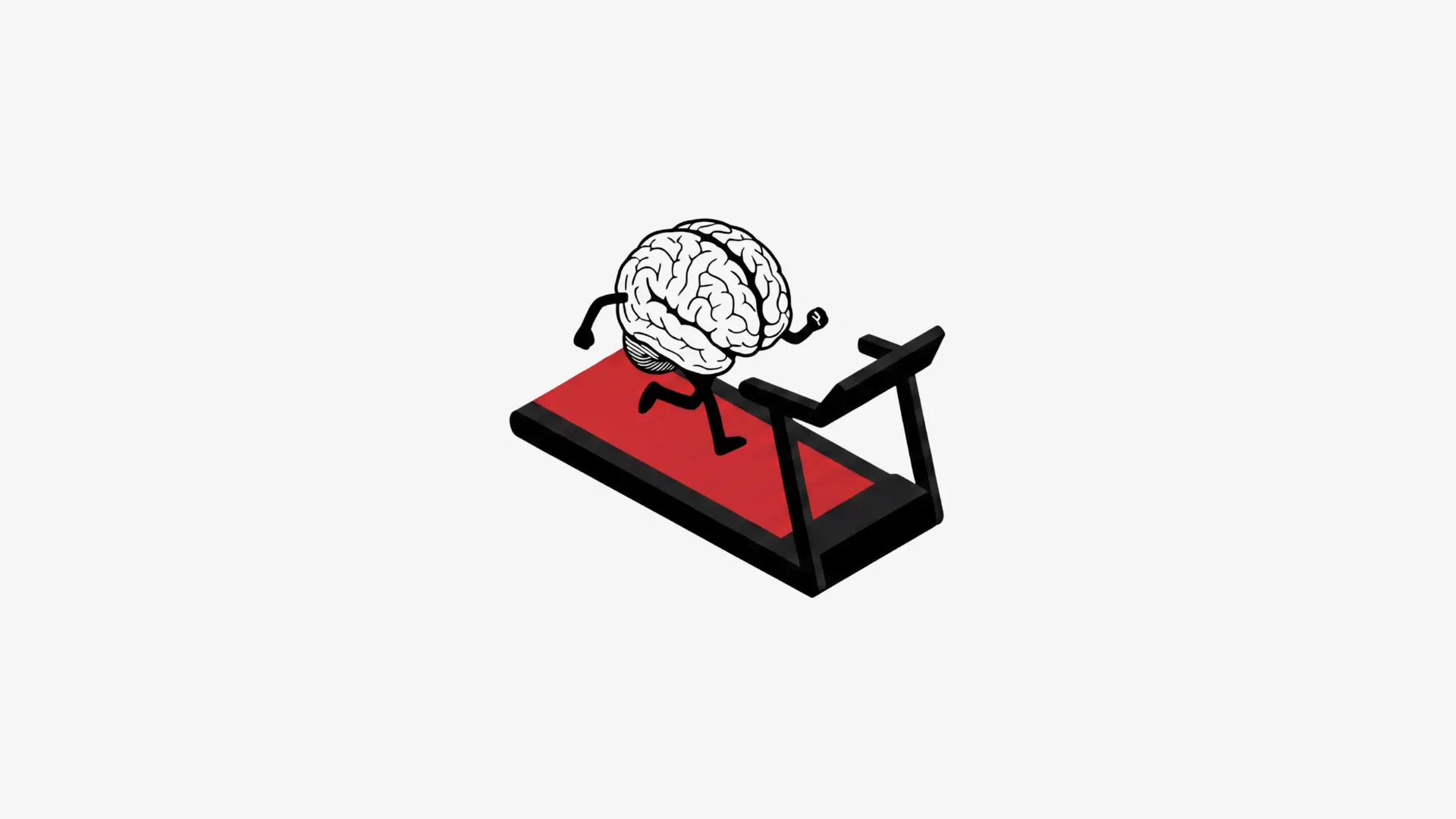
Dr. Anhalt's central argument is a reframe: Start treating mental health like physical fitness — a proactive, ongoing practice.
Even if you aren't feeling ill, that doesn't mean you have a clean bill of physical health. You may not be exercising or eating healthy. Preventive care is crucial — when you work on your physical fitness, you get stronger and you're less likely to get sick later. Emotional health is similar.
She interviewed more than 200 entrepreneurs and psychologists, coded the results, and identified seven traits of emotional fitness that separate leaders who build lasting organizations from those who quietly burn out or blow up their teams.
The Emotionally Fit Leader
Most leaders obsess over strategy, execution, and metrics. Almost none treat their emotional health as a competitive advantage. Dr. Emily Anhalt thinks that's a fatal mistake.
At the ASU+GSV Summit, the clinical psychologist and founder of Coa — the world's first "gym for mental health" — made a case that would stop any serious leader in their tracks: the biggest threat to your organization isn't your market or your competition. It's your unexamined inner world.
The Stat That Should Make Every Leader Uncomfortable
Research shows 95% of people believe they're self-aware — but only about 10–15% really are. That gap isn't just a personal blind spot. For leaders, it becomes a company-wide problem.
Studies show that 72% of entrepreneurs have mental health concerns — but they are not in therapy. Far too often, we see the consequences of a failure to do that work when startups implode, whether it's due to a toxic work culture, co-founder conflict, or deep-seated leadership challenges.
Emotional Fitness Is Not Therapy. It's Training.
Dr. Anhalt's central argument is a reframe: Start treating mental health like physical fitness — a proactive, ongoing practice.
Even if you aren't feeling ill, that doesn't mean you have a clean bill of physical health. You may not be exercising or eating healthy. Preventive care is crucial — when you work on your physical fitness, you get stronger and you're less likely to get sick later. Emotional health is similar.
She interviewed more than 200 entrepreneurs and psychologists, coded the results, and identified seven traits of emotional fitness that separate leaders who build lasting organizations from those who quietly burn out or blow up their teams.
The 7 Traits of an Emotionally Fit Leader
1. Self-Awareness: The foundation of everything else. When self-awareness is weak, maladaptive patterns are often repeated, people act on biases without realizing it, and personal growth stagnates. It's hard to change what you cannot see.
2. Empathy: Emotionally fit leaders can put themselves in others' shoes on a regular basis. They recognize that what they feel about things might not necessarily be what others feel, and they strive for empathy even when it is difficult.
3. Mindfulness: The ability to stay present — not just in meditation, but in meetings, in feedback, and in hard conversations.
4. Curiosity: Emotionally fit leaders approach their own blind spots and others' perspectives with genuine interest, not defensiveness.
5. Resilience: The ability to persevere and bounce back from failure and setbacks — understanding that there is more to be learned from failure than success.
6. Communication: Not just clarity of message, but the willingness to have uncomfortable conversations without avoidance or aggression.
7. Play: The ability to foster a safe space of connection and creativity. It's about removing constraints, meeting people where they are, and trying things on to see how they feel. The leaders who allow for play permit their teams to think freely — and that's where breakthrough ideas live.
Why This Matters for Your Organization
Anyone in a leadership position has unique needs, because there are people who are taking their cues from you about how to act, what's okay, and what is the ethos and culture of a particular group or space.
The culture you build is a direct reflection of your emotional fitness. Emotionally healthy leaders build psychologically safe teams. Psychologically safe teams build resilient companies.
It's time to shift the narrative of mental health from reactive to proactive — from something we only pay attention to when we're in crisis to something we proactively do to build wellness.
The bottom line: Your IQ got you to the table. Your emotional fitness will determine whether you stay — and whether your team wants to stay with you.
The 7 Traits of an Emotionally Fit Leader
1. Self-Awareness: The foundation of everything else. When self-awareness is weak, maladaptive patterns are often repeated, people act on biases without realizing it, and personal growth stagnates. It's hard to change what you cannot see.
2. Empathy: Emotionally fit leaders can put themselves in others' shoes on a regular basis. They recognize that what they feel about things might not necessarily be what others feel, and they strive for empathy even when it is difficult.
3. Mindfulness: The ability to stay present — not just in meditation, but in meetings, in feedback, and in hard conversations.
4. Curiosity: Emotionally fit leaders approach their own blind spots and others' perspectives with genuine interest, not defensiveness.
5. Resilience: The ability to persevere and bounce back from failure and setbacks — understanding that there is more to be learned from failure than success.
6. Communication: Not just clarity of message, but the willingness to have uncomfortable conversations without avoidance or aggression.
7. Play: The ability to foster a safe space of connection and creativity. It's about removing constraints, meeting people where they are, and trying things on to see how they feel. The leaders who allow for play permit their teams to think freely — and that's where breakthrough ideas live.
Why This Matters for Your Organization
Anyone in a leadership position has unique needs, because there are people who are taking their cues from you about how to act, what's okay, and what is the ethos and culture of a particular group or space.
The culture you build is a direct reflection of your emotional fitness. Emotionally healthy leaders build psychologically safe teams. Psychologically safe teams build resilient companies.
It's time to shift the narrative of mental health from reactive to proactive — from something we only pay attention to when we're in crisis to something we proactively do to build wellness.
The bottom line: Your IQ got you to the table. Your emotional fitness will determine whether you stay — and whether your team wants to stay with you.
SHARE
Changing the World
for Good
Global Mission Institute is a platform connecting entrepreneurs and
investors to scale impact globally by matching purpose-driven'
innovation with funding and mentorship.
Changing the World
for Good
Global Mission Institute is a platform connecting entrepreneurs and
investors to scale impact globally by matching purpose-driven'
innovation with funding and mentorship.
Changing
the World
for Good
Global Mission Institute is a platform connecting entrepreneurs and
investors to scale impact globally by matching purpose-driven'
innovation with funding and mentorship.